
The Rise of Drone Aerial Photography
Drone aerial photography has rapidly grown from a hobby into a professional service used across industries like real estate, construction, filmmaking, and agriculture.
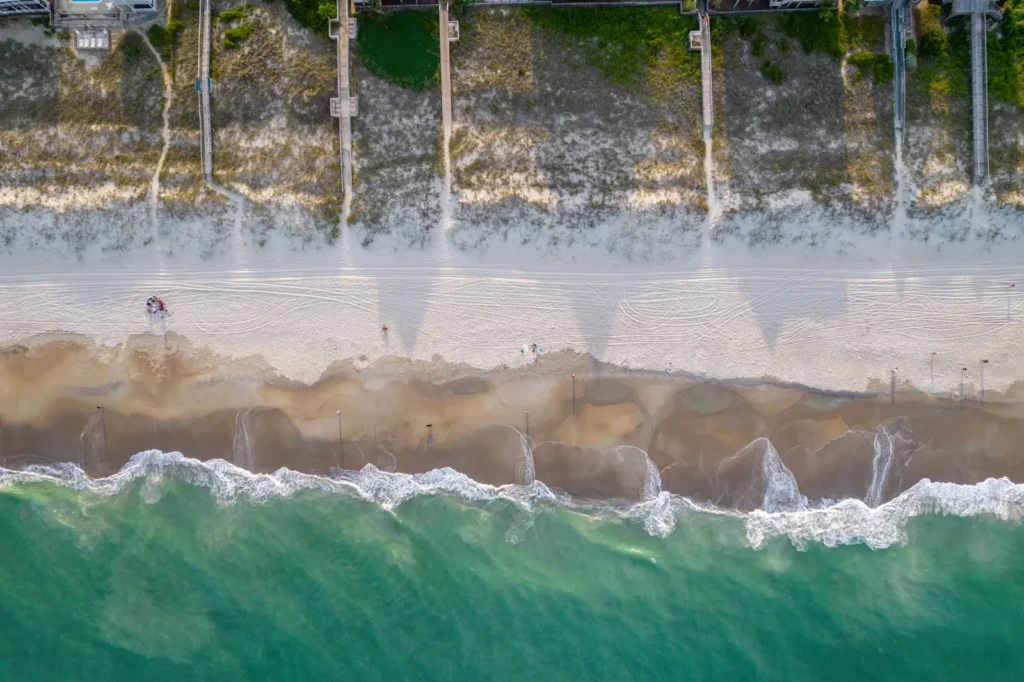
The evolution of drone aerial photography has become increasingly popular as technology advances. This really should not be a shock, as the drone industry is estimated to grow to USD 57.8 billion by 2028. It is now commonly used in various fields, from capturing stunning landscapes to assisting in professional videography. This is how we use our drones. Drones offer a unique perspective that was once difficult or expensive to achieve. Their rise has opened up opportunities for both hobbyists and professionals to explore creative and innovative ways of capturing images and videos from the sky. Drones are used in other industries too, not just for capturing unique and beautiful scenery.

Advancements in drone technology
Drones have come a long way from being simple toys to becoming sophisticated tools for various purposes. The advancement in drone technology has enabled them to fly longer distances, carry heavier payloads, and capture high-quality images and videos. Some in the future will be fully automated. Amazon is offering drone delivery in two locations (see link below for more info on this). New features like obstacle avoidance, GPS tracking, and automated flight modes have made drones more user-friendly and capable of performing complex tasks. Additionally, the enhancement of camera quality on drones has opened up new possibilities for aerial photography and videography, making them a popular choice for both hobbyists and professionals.
Benefits of using drones for aerial photography
Drones offer unique perspectives and angles that were once only possible with expensive equipment or helicopters. With drones, photographers can capture stunning aerial shots more easily and cost-effectively. Some benefits of using drones for aerial photography include:
- Access to hard-to-reach or dangerous areas for traditional photographers.
- Ability to cover vast areas quickly, saving time and effort.
- Lower cost compared to hiring helicopters or planes for aerial shots.
- Flexibility to shoot at different altitudes and angles for diverse shots.
- Enhanced creativity in capturing dynamic and engaging aerial images.
Regulations for drone aerial photography
Make sure to always check the latest rules and regulations set by the Federal Aviation Administration (FAA) before engaging in drone aerial photography. According to the FAA, you are required to register your drone if it weighs more than 0.55 pounds. Additionally, you must obtain a remote pilot certificate to fly a drone for commercial purposes (We are Part 107 certified). It is important to fly your drone below 400 feet, maintain visual contact with it at all times, and avoid flying near airports or other restricted airspace. Remember, safety is key when it comes to operating drones for aerial photography. Before flying, you should check on any restrictions in the area and file a flight plan if needed using an app like Aloft.
Drone aerial photography as a hobby
Drone aerial photography has become an increasingly popular hobby due to the accessibility of drones and the advancement of camera technology. Enthusiasts can capture stunning aerial shots using drones equipped with high-resolution cameras. Flying drones is not only fun but also allows hobbyists to explore new perspectives and unleash their creativity. Additionally, drone aerial photography can be a rewarding experience as it provides an opportunity to learn about flight skills and photography techniques.
Transition from hobbyist to professional drone photography
To transition from a hobbyist to a professional drone photographer, start by mastering the art of aerial photography. Practice regularly to develop your skills and create a unique style. Network with other drone photographers and explore opportunities to showcase your work. There are many videos on YouTube that can give you tips for becoming a better drone photographer or videographer. Consider obtaining FAA Part 107 certification to potentially attract clients. Having this certification will not make you a better drone pilot, it could bring peace of mind to your client that you are serious and it’s not just a hobby. Remember, consistency and dedication are key to turning your passion into a successful professional service.
Industries utilizing drone aerial photography services
Various industries have embraced the use of drone aerial photography services. Here are some sectors that utilize this technology:
- Real estate
- Construction
- Agriculture
- Film and television production
- Event coverage
- Delivery (more in the future)
Drones have revolutionized the way these industries capture aerial shots, providing unique perspectives and enhancing their operations.
Importance of skill and creativity in drone photography
Skill and creativity are essential in drone photography. They allow you to capture unique and compelling shots that stand out. By mastering your piloting skills and exploring different angles, you can create stunning aerial images that tell a story. Creativity helps you think outside the box and experiment with diverse compositions, leading to innovative and captivating photographs. Remember, practice and creativity are key in elevating your drone photography from a hobby to a professional service. See our aerial photography page for more
Training and certification for professional drone photographers
To become a professional drone photographer, it’s crucial to undergo proper training and obtain certification. Here are some key points to consider:
- Training programs cover topics like flight regulations, safety procedures, drone operation, and aerial photography techniques.
- Certification demonstrates your competency and compliance with industry standards.
- Organizations like the Federal Aviation Administration (FAA) provide certification for commercial drone pilots. Like I mentioned before, Part 107.
- Continuing education and staying updated on regulations are essential for maintaining certification and ensuring safe drone operation. Sign up for email alerts from the FAA.
Future trends in drone aerial photography
Drone aerial photography is evolving rapidly, and there are exciting future trends to look out for. As drones become more advanced and accessible, we can expect to see improved image quality with higher resolution cameras and enhanced stabilization technology. Additionally, autonomous flight capabilities are likely to become more sophisticated, enabling drones to capture complex shots with ease. Expanded applications in industries such as real estate, filmmaking, agriculture, and surveying are on the horizon, making drone photography an indispensable professional service.
At Luma 3 Productions, we provide professional drone aerial photography services for businesses and real estate professionals in Wilmington, North Carolina and surrounding coastal communities.
Work With a Professional Drone Photographer
If you’re a real estate agent or property owner looking to showcase a property with professional aerial imagery, Luma 3 Productions provides high-quality real estate photography and drone services.
We specialize in:
• Aerial drone photography
• Real estate photography
• Real estate video marketing
• Social media property videos
Serving Wilmington, North Carolina and surrounding coastal communities.
Learn more about our professional aerial drone photography services.
Link:
https://luma3productions.com/aerial-photography/
Visit our website to learn more:


One Response