
Wilmington has quietly become one of the more interesting places on the East Coast to make a video. Between the working film studios on the north side of town, the riverfront storefronts downtown, and a business community that is growing faster than most of coastal North Carolina, there is a real appetite for video that actually looks like it belongs here instead of stock footage borrowed from somewhere else.
If you are searching for video production services in Wilmington, NC, you are probably past the “do we even need video” question. You already know customers watch before they buy, that job candidates check out a company’s culture online, and that a five-year-old video on your homepage does more harm than good. What you likely need now is a clear picture of how the process works, what it should cost, and how to tell a solid local crew from someone who just bought a camera last month. That is what this guide is for.
Why Wilmington Businesses Need Professional Video Production
A decade ago, most small and mid-sized businesses in the Cape Fear region treated video as a luxury reserved for national brands with big ad budgets. That has changed. Search engines favor pages with video, social platforms reward it with more reach, and buyers now expect to see a product or a team before they ever pick up the phone.
For a local business, professional video does three things a phone-shot clip usually cannot:
- It signals credibility. A clean, well-lit video tells a prospective client that you run a serious operation, even before they read a single word of copy.
- It travels further. A single well-produced video can be cut into a website hero clip, a handful of social posts, an email header, and a sales deck asset.
- It builds trust faster than text. People remember faces, tone of voice, and real footage of a workspace far longer than a paragraph of marketing copy.
Wilmington’s business mix- tourism, healthcare, marine industry, real estate, restaurants, and a growing tech and manufacturing base- means the demand for video spans almost every type of company you can think of. A marina promoting charter trips has very different needs from a law firm building trust with new clients, but both benefit from footage that looks native to this coastline rather than generic.
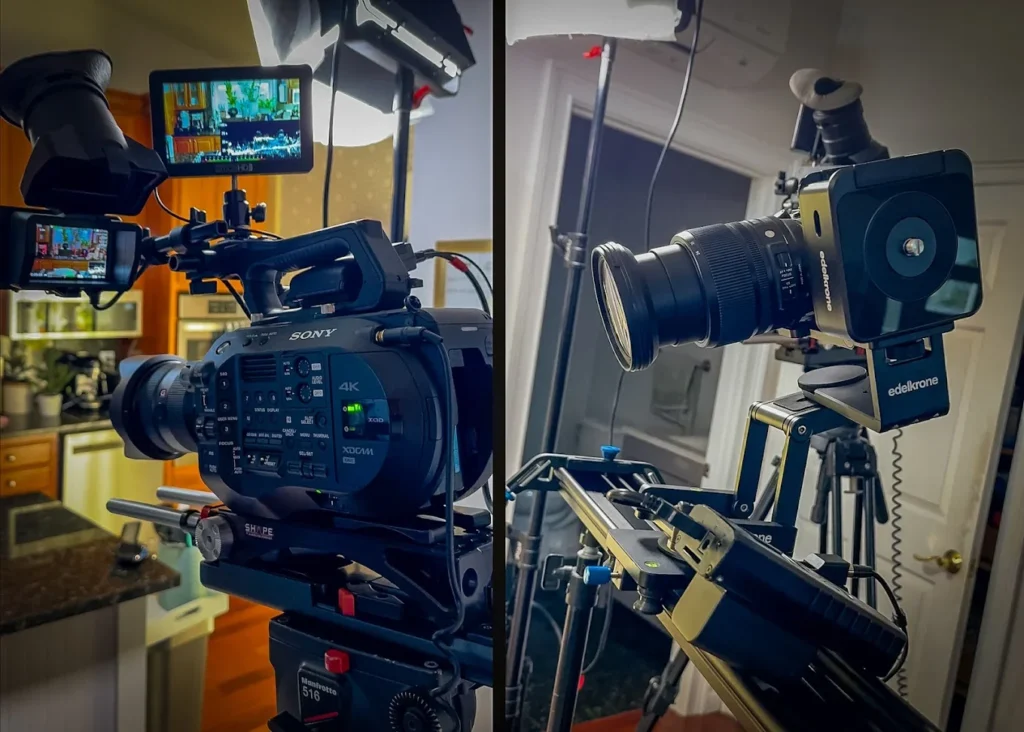
What Do Video Production Services in Wilmington Include
The phrase “video production” covers a lot of ground, and this is where a lot of confusion starts. A reputable video production company in Wilmington typically breaks the work into three phases, and understanding them helps you budget and plan properly.
Pre-Production Planning
This is the groundwork most people never see, but it is usually what separates a video that feels intentional from one that feels random. Pre-production includes defining the goal of the video, writing a script or outline, scouting locations around Wilmington, scheduling talent, and building a short list. Skipping this stage is the single biggest reason projects run over budget or miss the mark creatively.
Production Day
This is the filming itself. Depending on the project, this might mean a single afternoon at your office or storefront, a full day covering a corporate event downtown, or a multi-location shoot that includes drone footage over the river or the beach. A professional crew brings lighting, audio equipment, stabilizers, and backup gear, because coastal weather and outdoor lighting in this area can change fast.
Post-Production Editing
Editing is where raw footage becomes a finished story. This stage includes color correction, sound mixing, motion graphics or on-screen text, music licensing, and exporting the video in formats suited for your website, YouTube, or social platforms. Most Wilmington production companies deliver a first cut for review, then make revisions before final delivery.
Types of Corporate Video Production Services in Wilmington
Corporate video is not one thing. It is a category that covers several very different formats, each suited to a different business goal.
- Brand story videos. These introduce your company, your mission, and the people behind it. They work well on a homepage or an “About Us” page.
- Client testimonial videos. Real customers talking about their experience carry more weight than almost any other marketing asset. Wilmington’s tight-knit business community makes local testimonials especially persuasive.
- Internal training and onboarding videos. Growing companies use these to standardize how new hires learn processes, safety procedures, or company culture.
- Product or service demo videos. These walk a potential customer through exactly what you offer, which shortens the sales cycle considerably.
- Event and conference coverage. From ribbon cuttings to industry conferences held near the riverfront, event footage extends the life of a single day into months of usable content.
Choosing the right format depends entirely on where the video will live and what action you want the viewer to take after watching it. A company chasing new hires needs a very different video than one chasing new customers.
What Makes Wilmington Unique for Video Production
Wilmington is not an accidental location for film and video work. The area has hosted film and television production for decades, and the presence of established studio infrastructure has trained a deep bench of local camera operators, editors, and production crews who understand lighting, permits, and logistics in a way that out-of-town crews often do not.
That local knowledge matters more than people expect. A crew that knows how coastal light shifts through the afternoon, which downtown blocks require a permit for filming, and how humidity affects certain camera gear will save you time and reshoots. A crew flying in from another state usually will not know any of that, and you end up paying for their learning curve.
There is also a visual advantage. Wilmington offers a rare mix of settings within a short drive: historic brick storefronts downtown, working marinas, quiet coastal neighborhoods, and modern commercial parks. A single production day can capture several completely different backdrops without a long drive, which keeps costs down and gives editors more visual variety to work with.
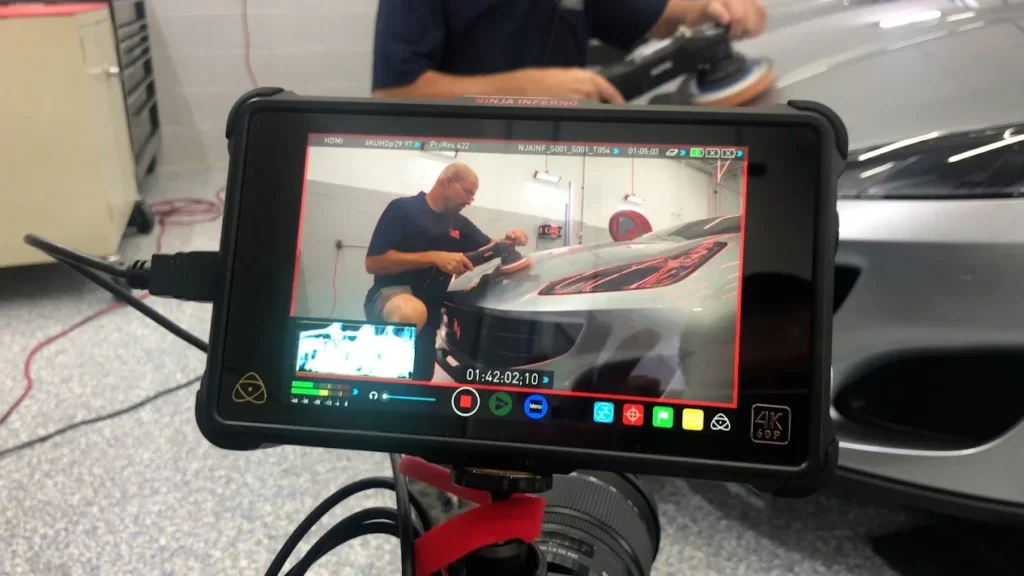
How to Choose a Video Production Company in Wilmington
Not every videographer is equipped to handle a full commercial project, and the gap between a talented hobbyist and a working production company shows up fast once you are on set. Here is what actually matters when comparing options.
- Ask to see a portfolio in your industry, or something close to it. A wedding videographer and a corporate video editor use overlapping gear but very different skill sets.
- Check whether they handle the full process. A company that only films but does not edit, or only edits but does not shoot, will require you to manage two vendors and coordinate the handoff yourself.
- Confirm licensing for drone work. Any company offering aerial footage should be FAA Part 107 licensed and insured. This is not optional if you want legal, insurable footage.
- Ask about turnaround time. A realistic timeline for a corporate video is usually one to two weeks after filming, depending on project size. Anyone promising same-day final delivery on a complex project is likely cutting corners somewhere.
- Look for a local presence. A company based in Wilmington understands local permitting, weather patterns, and the visual character of the area, and they are easier to reach when a project needs a quick follow-up shoot.
- Read reviews from other local businesses. Google reviews from other Wilmington companies tell you more about reliability and communication than any polished sales page.
Cost Factors: What Influences Video Production Pricing in Wilmington, NC
Pricing for video production services in Wilmington varies widely, and there is a good reason for that. A single testimonial video filmed in an afternoon costs far less than a multi-day brand campaign with drone footage, multiple locations, and paid actors. A few factors drive most of that variation.
- Length of the final video. Longer videos generally require more footage, more editing hours, and often more locations.
- Number of shoot days. Each additional day adds crew time, equipment rental, and scheduling complexity.
- Crew size. A simple interview might only need one or two people. A branded commercial with lighting, sound, and camera operators working together needs a larger team.
- Use of drone footage. Aerial shots add production value but also require licensed pilots, insurance, and weather-dependent scheduling.
- Scripting and talent. Custom scriptwriting, voiceover artists, or paid on-camera talent all add to the budget.
- Music licensing and graphics. Custom motion graphics, branded animations, and licensed music tracks are usually priced separately from filming and basic editing.
A straightforward business is generally worth requesting a detailed quote after describing your goals, rather than comparing flat rate cards, since two projects with the same runtime can require very different amounts of work behind the scenes.
The Video Production Process Step by Step
Understanding the workflow helps set realistic expectations for timeline and involvement on your end.
- Discovery call. You describe your goals, audience, and where the video will be used. The production team asks questions to understand your brand.
- Concept and script. The team proposes a creative direction, often with a written outline or full script for your approval.
- Location and scheduling. Filming locations around Wilmington are confirmed, along with dates that work around weather and business hours.
- Filming day. The crew arrives with equipment, captures the planned shots, and typically wraps within a single day for most standard corporate projects.
- Editing and review. A first cut is delivered for feedback, usually within a week or two.
- Revisions. Most agreements include one or two rounds of revisions before final approval.
- Final delivery. Files are exported in the formats you need, whether that is a web-ready MP4, vertical formats for social media, or broadcast-quality files.
Common Mistakes Businesses Make When Hiring a Video Production Company
A surprising number of video projects underperform not because of the crew’s skill, but because of decisions made before filming even starts. A few patterns show up again and again.
- Skipping a clear goal. A video made without a specific purpose- more leads, better hiring, stronger brand trust- tends to feel unfocused and gets used less often than expected.
- Choosing based on price alone. The cheapest quote often means a smaller crew, less experienced editing, or no backup gear if something fails on shoot day.
- Not planning for multiple formats. A video shot only for a website often needs to be reworked for social media, which adds cost later that could have been planned for upfront.
- Underestimating scheduling needs. Coastal weather, tides for waterfront shots, and business operating hours all affect availability, so booking too close to a deadline limits your options.
- Forgetting about usage rights. Music, stock footage, and talent releases all come with usage terms. Confirm what you own and how long you can use it before signing off.
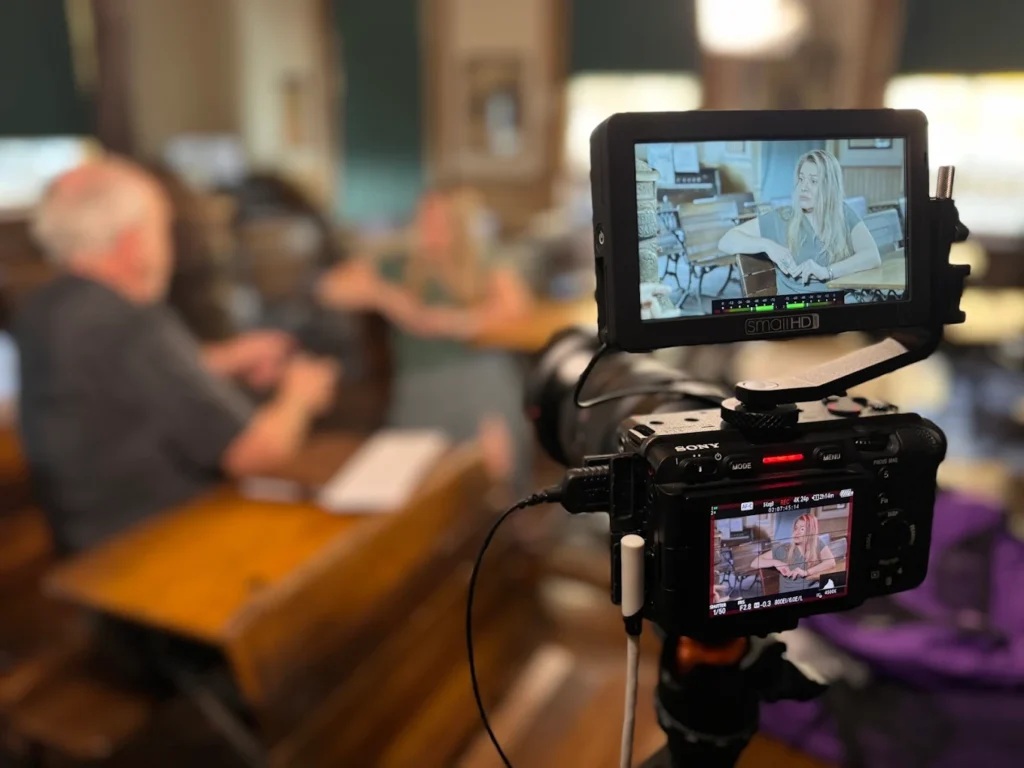
Trends Shaping Corporate Video Production in 2026
The corporate video space keeps shifting, and a few trends are worth knowing about if you are planning a project this year.
- Shorter, vertical-first content. Even corporate and commercial clients are asking for versions of their videos cut for Instagram Reels, YouTube Shorts, and LinkedIn, not just a single horizontal file for the website.
- Authenticity over polish. Overly produced, ad-style videos are increasingly being paired with, or replaced by, more natural, documentary-style footage that feels honest rather than scripted.
- Drone footage as a standard add-on. What used to be a specialty request is now a common part of real estate, event, and brand videos, especially in a visually distinct area like coastal North Carolina.
- Faster turnaround expectations. Businesses want usable content quickly, which has pushed many production teams to deliver rough social cuts within days, even while the polished final version is still in progress.
Staying aware of these shifts helps you brief your production partner more effectively and avoid ending up with a video that already feels dated the week it launches.
Why Local Matters: Benefits of Hiring a Wilmington-Based Video Team
It is tempting to assume video production is video production no matter where the crew is based. In practice, working with a local team changes the experience in a few meaningful ways.
A local crew already understands the visual identity of the area, so you spend less time explaining what “Wilmington” should look like on camera. They know which locations photograph well at different times of day, which spots require permits, and how to work around seasonal tourism traffic downtown or during peak beach months. Scheduling is also simpler, since a local team can often accommodate a short reshoot or an extra day of filming without travel costs or long lead times.
There is a relationship benefit too. Many Wilmington production companies are small, hands-on teams rather than large agencies, which usually means direct communication with the people actually filming and editing your project instead of being routed through account managers who never touch the footage themselves.
For a business planning to use video regularly, whether for ongoing social content, seasonal campaigns, or an annual company update, building a relationship with one local team tends to produce more consistent results than starting over with a new vendor every time.
Bringing It All Together
Video production services in Wilmington, NC have matured well past the point of being a nice-to-have. Between local search visibility, social media expectations, and a business community that is only getting more competitive, video has become a practical marketing tool with a measurable return, not just a creative extra.
The businesses that get the most out of video are usually the ones that treat it like any other serious investment: they define a clear goal, choose a team based on experience and communication rather than price alone, and plan for how the footage will be used across multiple platforms, not just one page on the website. Whether you need a single brand story video or an ongoing content partnership, understanding the process outlined above puts you in a much stronger position to brief a production company and get a video that actually works for your business.
FAQ’s
How much does video production cost in Wilmington, NC?
Pricing depends on shoot length, crew size, number of locations, and whether drone footage is included. Simple single-location videos cost less than multi-day branded campaigns. Most production companies provide a custom quote after a short discovery call about your goals.
How long does it take to get a finished corporate video?
Most projects are completed within one to two weeks after filming, though this depends on project scope. Companies with multiple revision rounds, custom graphics, or licensed music may take slightly longer to deliver the final files.
Do I need drone footage for my video?
Not always, but it adds visual variety for real estate, events, and outdoor brand videos. Any company offering aerial footage should be FAA Part 107 licensed and insured to ensure the footage is legal and properly covered.
What is the difference between a video production company and a freelance videographer?
A production company typically handles the full process, planning, filming, and editing, with a team and backup equipment. A freelance videographer may only cover part of that process, which can mean coordinating multiple vendors yourself.
Can a Wilmington video production company create content for social media too?
Yes. Most corporate video projects are now edited into multiple formats, including vertical cuts for Instagram, YouTube Shorts, and LinkedIn, alongside the primary horizontal video used on a website.
What should I prepare before my first meeting with a video production company?
Come with a clear goal for the video, examples of styles you like, and a rough idea of where the footage will be used. This helps the production team scope the project accurately and recommend the right format.

