
listed her $3.2 million Scottsdale modern estate through a top luxury agent in Wilmington. The home had everything: infinity pool with valley views, chef’s kitchen, wine room, smart home automation, and architectural purity that would impress any design critic. Yet after six weeks, there had been exactly three showings far fewer than expected for a property at this price point.
The problem wasn’t the home. It was the photographs. The images, while technically correct, were bland. They documented the spaces without showcasing the sophistication, craftsmanship, and lifestyle that luxury buyers are actually purchasing. Wealthy buyers don’t just evaluate a property’s physical features, they evaluate how that property makes them feel when they imagine themselves living there.
When I hired a photographer specializing in luxury real estate, everything changed. The same home, photographed by someone who understood luxury buyer psychology and compositional technique, suddenly conveyed exclusivity, aspiration, and worth. Within two weeks of the new photos going live, six qualified showings were scheduled.
Luxury real estate photography isn’t just “professional photography applied to expensive homes.” It’s a different discipline entirely, with its own techniques, aesthetics, and strategic approaches. Understanding these differences is crucial if you’re selling or marketing high-end properties in Wilmington.
The Luxury Buyer’s Visual Expectations: Why Standard Photography Falls Short
Luxury buyers typically investors, entrepreneurs, or high-net-worth individuals approach property evaluation differently than standard buyers. They’re evaluating not just the space, but the lifestyle it represents.
A standard real estate photograph shows a room accurately. It’s well-lit, composed, and attractive. A luxury real estate photograph should evoke aspiration. It should make a viewer think, “That’s the life I want to live,” not just “That’s a nice kitchen.”
This distinction changes everything about how the photographer approaches the shoot.
Consider a luxury kitchen worth $200,000. A standard photographer might shoot it from the doorway, showing the full kitchen and island in a single frame. This documents the space but doesn’t convey luxury. A luxury photographer might shoot from a lower angle, emphasizing the soaring ceiling height and custom millwork detail. They might zoom in on the Calacatta marble countertop with a slow pan across the surface, revealing its veining and texture. They might capture the light cascading through a window and reflecting off the stainless steel appliances, creating a compositional narrative about quality and precision.
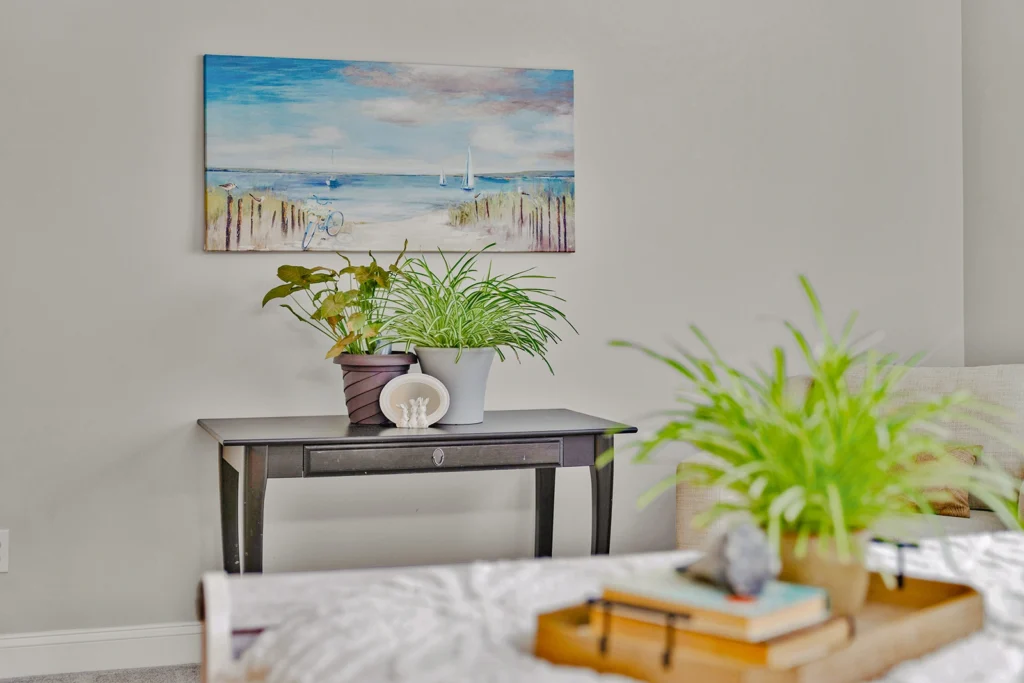
The second approach requires more technical expertise: knowing how to use depth of field to isolate details, understanding how angle psychology changes perception of space, and recognizing which visual elements (detail work, materials, light) convey luxury best.
Luxury buyers have seen enough homes to know the difference. They respond to photography that shows mastery of both the property and the medium. Standard photography reads as adequate. Luxury photography reads as authentic.
Compositional Strategies: How Angle and Framing Signal Luxury
Compositional choice is everything in luxury real estate photography. The photographer’s decision about where to stand, what lens to use, and how to frame the shot communicates wealth and quality before the buyer’s conscious mind even processes the room.
The Low-Angle Power Shot
Photographing a space from a lower angle than eye level (say, shooting from 4 feet high rather than 5.5 feet) emphasizes ceiling height and makes rooms feel grander. This works particularly well for homes with high ceilings, statement lighting, or architectural detail above eye level. Luxury buyers associate high ceilings with spaciousness, prestige, and wealth.
The Depth Layering Technique
Composing a shot to show foreground, middle ground, and background creates visual richness. For example, a living room shot might frame an architectural detail (foreground), the seating area (middle ground), and a view through glass doors to the pool (background). This layering makes a space feel more complex, more sophisticated, and more complete than a single-plane perspective.
The Detail Close-Up
High-end properties often feature bespoke finishes, hand-laid tile, custom cabinetry, artisanal stonework, sculptural lighting fixtures. Luxury photography dedicates images to these details. A macro shot of marble veining, a close-up of a hardware finish, or a detailed view of a built-in bookshelf conveys craftsmanship. These images don’t document the space, they celebrate the materials that make it special.
The Symmetry and Balance Frame
Luxury aesthetics often emphasize geometric precision. Photography that highlights symmetry (a mirror-image hallway, matched nightstands, architectural symmetry) communicates control, intentionality, and premium design. This framing is particularly effective for modern luxury homes or traditional properties with classical proportions.
The Leading Line Composition
Using architectural lines (hallway edges, stair rails, fence lines, pool edges) to draw the viewer’s eye through the image creates visual movement and depth. This technique, borrowed from fine art photography, makes luxury spaces feel more dynamic and immersive than flat, static compositions.
Lighting Strategy for Luxury Spaces: Beyond Basic Illumination
Standard real estate photography relies primarily on natural light and basic fill lighting. Luxury photography requires a more sophisticated lighting approach.
Golden Hour Magic
Luxury photographers frequently time shoots for golden hour the first hour after sunrise or the hour before sunset. At this time, natural light is warm, directional, and flattering. Shadows have soft edges, and light itself becomes an aesthetic feature. A property photographed in this light doesn’t just look nice; it looks aspirational. High-end properties often showcase this to buyers: “You’ll wake up to light like this every morning.”
Strategic Fill Lighting
Rather than using artificial light to overpower shadows, luxury photographers use subtle fill flash or reflectors to gently open shadows while maintaining the natural quality of the space. The lighting should be invisible; viewers shouldn’t think “this was professionally lit,” they should think “this space has beautiful light.”

Accent Lighting
Highlighting specific architectural or design features with directional light is a luxury photography technique. A piece of sculptural art receives subtle spotlight. A feature wall gains dimension through side lighting. The fireplace mantel is gently illuminated to emphasize its materials. These aren’t bright, obvious lights, they’re subtle accents that make a viewer unconsciously perceive the space as more complex and more carefully designed.
Night Photography
Homes with exterior features (pools, landscaping, architectural facade) are often photographed at dusk or early night when these features can be showcased. Landscape lighting is turned on, and the home glows in the darkness. This is particularly powerful for luxury properties; it conveys the lifestyle experience of entertaining or enjoying the property under stars.
Window Light Management
Luxury homes often have extensive glass and views. Photographing these requires careful exposure management. Blown-out windows (pure white with no detail) are a death sentence for luxury photography. Instead, the photographer exposes the window/view, and uses fill light inside to balance the scene, or shoots during times when exterior light is more balanced with interior light.
Staging for Luxury: Minimalism Versus Lifestyle
Staging a luxury property is fundamentally different from staging a standard home. The goal isn’t to “sell the house” buyers at this price point are buying the lifestyle and the location. Staging should reinforce that lifestyle without being heavy-handed.
The Minimalist Approach
Many luxury photographers and stagers advocate for clear, uncluttered spaces that let architectural features and materials shine. In a $3 million home, the architecture is the star. Too much furniture or décor competes with the design. A living room with a single sculptural sofa, a modern art piece on the wall, and minimal accessories conveys taste and exclusivity. This restraint actually signals wealth; it suggests the owners are confident in the property’s inherent value.
The Lifestyle Approach
Other luxury properties benefit from subtle “lifestyle” staging that shows how someone would actually use the space. A wine room photographed with a few bottles and wine glasses on the counter and a couple of wine books on a shelf feels luxurious and ready to use. The poolside lounge area has a few tasteful lounge chairs and neutral throw pillows. These small touches suggest sophisticated entertaining and relaxation, without overwhelming the space.
The Art and Accent Approach
In many luxury photography shoots, original art (or in some cases, strategically placed artwork rentals) are introduced to add visual interest and cultural sophistication. A contemporary art piece in a modern home, or a classical painting in a traditional property, elevates the perceived cultural caliber of the entire space.
Dining for Drama
The dining room is often staged slightly differently for luxury shoots. Instead of a bare table, a table might be set for an elegant dinner (high-end place settings, fresh flowers, a few glasses of wine). This creates a narrative that shows buyers a scene, not just a room. They unconsciously imagine themselves hosting a sophisticated dinner party. That emotional connection is powerful.
Material and Detail Photography: Celebrating Craftsmanship
Luxury homes feature custom materials and bespoke finishes that standard homes don’t. Luxury photography dedicates time and images to showcasing these details.
Stone and Marble
A luxury kitchen features Calacatta or Statuario marble. A luxury bathroom uses rare stone. Luxury photography captures the veining, texture, and translucence of these materials through careful lighting and close-up composition. A macro shot of marble shows the viewer exactly what they’re paying for.
Custom Cabinetry
Built-in cabinetry, custom shelving, and bespoke storage in luxury homes are often architectural features. Photography might show a wider shot of the full cabinetry wall, then close-ups of hardware details, wood grain, or shelving organization. This celebrates the craftsmanship without making the photos feel like a documentary.
Finishes and Fixtures
High-end door hardware, faucets, light fixtures, and other touchpoints are often works of art. Luxury photography includes detailed shots of these elements. A close-up of a sculptural faucet, a detail of a custom light fixture, or the hardware on a custom cabinet door shows buyers that every element has been carefully considered.
Flooring and Surfaces
Hardwood flooring (rare wood types), natural stone floors, radiant heating, or custom tile work are luxury features that get their own photography attention. A shot that shows the grain pattern of walnut flooring across a room, or the hand-laid pattern of a custom tile floor, emphasizes quality and attention to detail.
Photography Equipment and Technical Standards for Luxury
This is where luxury real estate photography differs significantly from standard photography:
- Camera and Lens Quality. Professional-grade full-frame cameras with high dynamic range sensors (Canon 5D, Nikon Z9, Sony Alpha series) are standard. Luxury properties demand the widest dynamic range possible to capture both interior detail and outdoor views without blowing out highlights or losing shadow information.
- Lens Selection. Luxury photographers use prime lenses (fixed focal length, typically 24mm, 35mm, and 50mm) in addition to zoom lenses. Prime lenses offer superior sharpness, lower distortion, and better rendering of materials and surfaces. In luxury photography, image quality on materials (how the marble looks, how the wood grain appears) is critical.
- Stabilization. Luxury photographs are shot on tripods, never handheld. Tripod shooting allows for precise composition, longer exposures when needed, and the use of perspective-control lenses. Image stabilization matters for fine art.
- Post-Processing Standards. Luxury real estate photography involves significant (but invisible) post-processing. This includes: color correction to ensure materials (marble, wood, metal) render accurately; exposure blending to capture both interior and exterior detail in a single image; and selective sharpening and clarity adjustments that enhance detail without looking artificial.
- Resolution and File Delivery. Luxury photography is delivered in high resolution (typically 5000+ pixels on the long edge) to allow for large-scale printing or cropping without quality loss. Files are typically delivered in both standard (16:9) and square formats for different platforms.
Exterior and Grounds: Context and Lifestyle
For luxury properties, the exterior is as important as the interior. Photography of grounds, landscaping, pool areas, and architectural facade requires specific approaches.
- Drone Photography. Many luxury Wilmington properties have dramatic views (mountain views, valley vistas) that are best captured from above. Drone photography shows the property in its geographic context and displays lot size, landscaping, pool features, and view corridors. For properties in high-desert or hilltop locations, drone shots are often the most powerful images in the entire portfolio.
- Landscape Detail. Mature landscaping, specimen trees, and high-end hardscaping are photographed with care. A shot that shows the age and quality of landscaping conveys that the property has been well-maintained. Custom hardscape features (patios, fire pits, water features) get their own photographic attention.
- Curb Appeal and Facade. The home’s exterior architecture is typically shot during golden hour to highlight materials, depth, and architectural detail. Multiple angles show different aspects of the facade. Night shots (if appropriate) show how lighting transforms the property after dark.
- View Photography. If the property has significant views, these are photographed from key interior locations. A shot looking out from the master bedroom, from the living room, or from the deck through a framing window shows what the view experience is like. This is valuable information for buyers evaluating the lifestyle.
The Sales Impact: How Luxury Photography Changes Outcomes
The numbers on luxury properties with professional photography are compelling:
- Showings per week: Typically 50–100% more for properties with exceptional luxury photography versus standard photography.
- Offer quality: Luxury photography attracts qualified, serious buyers. These buyers arrive with realistic expectations and higher likelihood of following through.
- Price realization: Properties photographed professionally for luxury markets tend to sell closer to asking price and with fewer price reductions during marketing.
- Marketing timeline: High-quality luxury photography goes to market and generates offers faster. Luxury buyers move quickly when they find the right property.
Photography as Luxury Asset
In the Wilmington luxury real estate market, where properties regularly exceed $2–5 million, professional real estate photography isn’t a nice-to-have, it’s essential. It’s the primary tool that communicates to sophisticated buyers why a property is worth its asking price.
Luxury photography requires a different skill set, a different approach to aesthetics, and a different understanding of buyer psychology than standard real estate photography. The investment is substantial, but for properties above $1.5 million, the return is immediate and significant.
If you’re selling or marketing a luxury property in Wilmington, treat photography not as a checkbox item, but as a strategic asset. Work with a photographer who understands luxury market expectations, who can showcase your property’s unique character, and who can capture the lifestyle and aspiration that attracted you to the property in the first place.
The right photographer doesn’t just document your home, they interpret it, celebrate it, and help buyers imagine the life they’ll live there. That’s luxury real estate photography.
FAQ: Luxury Real Estate Photography Questions
What’s the difference between luxury real estate photography and standard professional photography?
Luxury photography emphasizes compositional sophistication, material detail, lighting artistry, and lifestyle context. Standard photography documents the space. Luxury photography interprets it.
How many photos should a luxury home have?
More than a standard home. Budget 50–80 photographs minimum for a substantial luxury property. This allows for multiple angles per room, detail shots, exterior/grounds, and lifestyle photography.
Should I stage my luxury home before photography?
Yes, but subtly. Clear clutter, ensure cleanliness, and consider minimal styling (art, fresh flowers, strategically placed accessories). Heavy staging makes luxury properties feel “for sale” rather than “a way of life.”
How much does luxury real estate photography cost?
Significantly more than standard photography typically $1,500–4,000+ for a complete shoot including multiple angles, detail shots, drone photography, and professional editing. Luxury properties warrant this investment.
Should I use drone photography for my luxury home?
Almost certainly. Drone photography is expected for luxury properties unless the property has limited grounds or views. It showcases context, scale, and geography in ways ground-level photography can’t.
How long does the photography shoot take?
A thorough luxury photography shoot can take 6–10 hours, sometimes across multiple days depending on property size and light conditions. This allows for golden hour shots of multiple facades, interior spaces, and details.
What if the home is occupied during the shoot?
Professional luxury photographers are experienced with occupied homes. Personal items are typically removed from visible surfaces, but the home can feel lived-in, which often works well for luxury photography.
How long until I get the edited photos?
Professional luxury photographers typically deliver images within 7–14 days of the shoot. The editing process is extensive because of exposure blending and detail work required.
Can photography really affect the sale price?
Yes. Homes photographed professionally at the luxury level tend to sell 10–20% closer to asking price, and in significantly shorter timeframes. The premium quality photography attracts better buyers and fewer price negotiations.
What should I look for when hiring a luxury real estate photographer?
Review their portfolio specifically for luxury properties. Do the images feel aspirational? Are materials rendered beautifully? Is the lighting sophisticated? Ask for references from luxury agents and sellers who’ve used their work.

