
If a listing photo shoot is on your calendar, the biggest factor in how the final images turn out isn’t the camera – it’s what happens before the photographer ever arrives. Buyers scrolling through MLS listings and Zillow searches form an opinion about a property in seconds, and that opinion is built almost entirely on photos. This guide walks through why photo quality matters for Wilmington listings, what MLS and marketing photos actually need to accomplish, and a practical, room-by-room checklist agents and homeowners can use before a shoot.
This is written for real estate photography in Wilmington, NC preparing a listing, homeowners getting a property ready to sell, and property managers handling turnover photos on residential or light commercial spaces around the Wilmington area.
Why Listing Photo Quality Matters More Than Most Sellers Realize
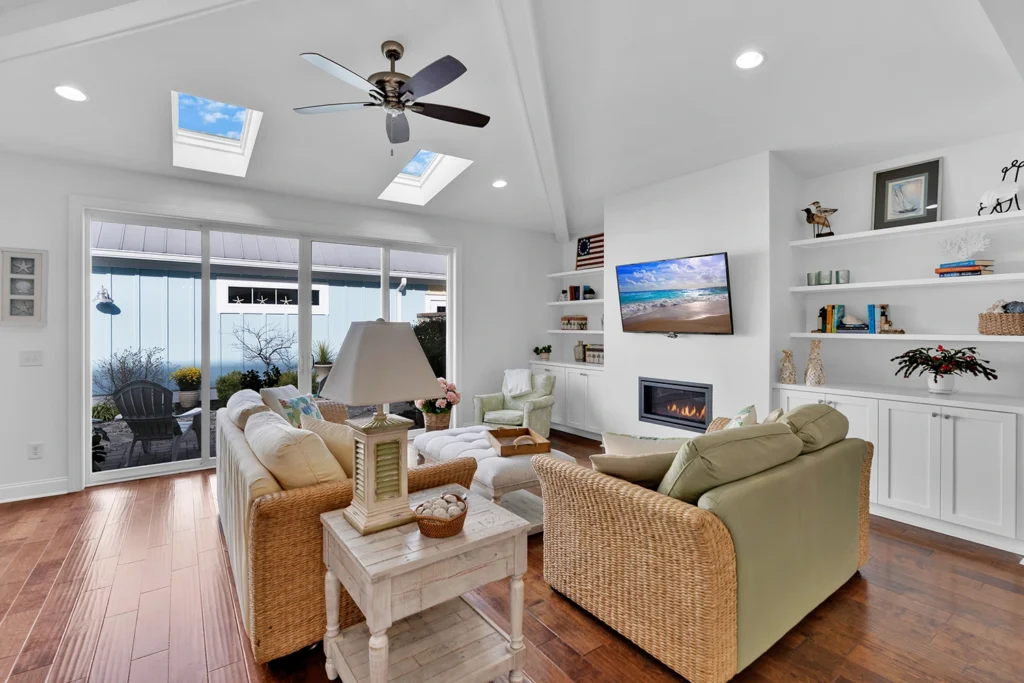
Before a buyer ever steps into a property, they’ve already decided – based on photos alone – whether it’s worth their time. A listing with dark, cluttered, or poorly composed photos gets scrolled past. A listing with clean, well-lit, properly composed images gets clicked, saved, and shown to a real estate agent as a must-see.
This matters even more in a coastal market like Wilmington, where buyers are frequently searching from out of state. Someone relocating from Charlotte, Raleigh, or further away may never see a property in person before deciding whether it’s worth a showing trip. The photos are doing the work a walkthrough would normally do – they’re the first, and sometimes only, chance to make a property stand out in a crowded search results page.
Photo quality also affects how long a property sits on the market. Listings with blurry, poorly lit, or oddly angled real estate photography tend to generate fewer showing requests, which can mean more price reductions and a longer time on market. None of this requires exaggeration – it’s simply how buyers behave when they’re comparing dozens of listings side by side on a phone screen.
What MLS and Marketing Photos Actually Need to Accomplish
Not all real estate photos serve the same purpose, and understanding the difference helps explain why prep matters.
MLS listing photos need to be accurate, well-lit, and properly represent each space – living areas, kitchen, primary bedroom, bathrooms, and exterior. Local MLS systems typically have minimum resolution and format requirements, and agents are expected to submit images that fairly represent the property’s actual condition. This isn’t about making a home look like something it isn’t – it’s about presenting it clearly and accurately.
Marketing photos – the ones used on social media, flyers, and a brokerage’s own listing page – often go a step further, prioritizing composition, lighting, and a sense of lifestyle. A twilight exterior shot or a wide-angle living room image is doing marketing work, not just documentation work.
Both categories benefit from the same preparation: decluttered spaces, good lighting, and a property that’s staged to look lived-in without looking busy.
Residential vs. Commercial Property Photography: What’s Different
Homeowners and agents sometimes assume commercial property photography is just “residential photography, but bigger.” In practice, the priorities shift.
Residential photography is generally built around helping a buyer imagine living in the space – warm lighting, staged furniture, a sense of flow from room to room, and close attention to details like countertops, fixtures, and natural light.
Commercial property photography – retail spaces, office suites, multi-family buildings, or mixed-use properties – is usually evaluated on different criteria: layout clarity, square footage impression, natural light in workspaces, parking and signage visibility, and how the space could function for a range of tenants or buyers rather than one imagined family. Wide, accurate shots of open floor plans often matter more than lifestyle staging.
If you’re unsure which category your property falls into – for example, a duplex or a live/work space – it’s worth mentioning that to whoever is scheduling the shoot, since it affects how the space should be prepared and shot.
A Room-by-Room Prep Checklist
Most photo prep issues come down to a handful of repeated mistakes: clutter left in frame, lighting that’s fighting the camera, and personal items that distract from the space itself. Here’s a practical breakdown.
Living Areas and Common Spaces
- Clear countertops, coffee tables, and open shelving of everyday items – remote controls, mail, chargers, and stacks of magazines are the most commonly forgotten clutter.
- Open curtains and blinds fully to let in natural light; artificial lighting alone rarely produces the bright, even look buyers respond to.
- Turn on all lamps and overhead lighting, even during a daytime shoot – mixed lighting sources help fill shadows.
- Remove rugs that are worn, bunched, or off-center, since they draw the eye in wide shots.
- Tuck away cords, pet items, and trash cans from any space that will be photographed.
Kitchens
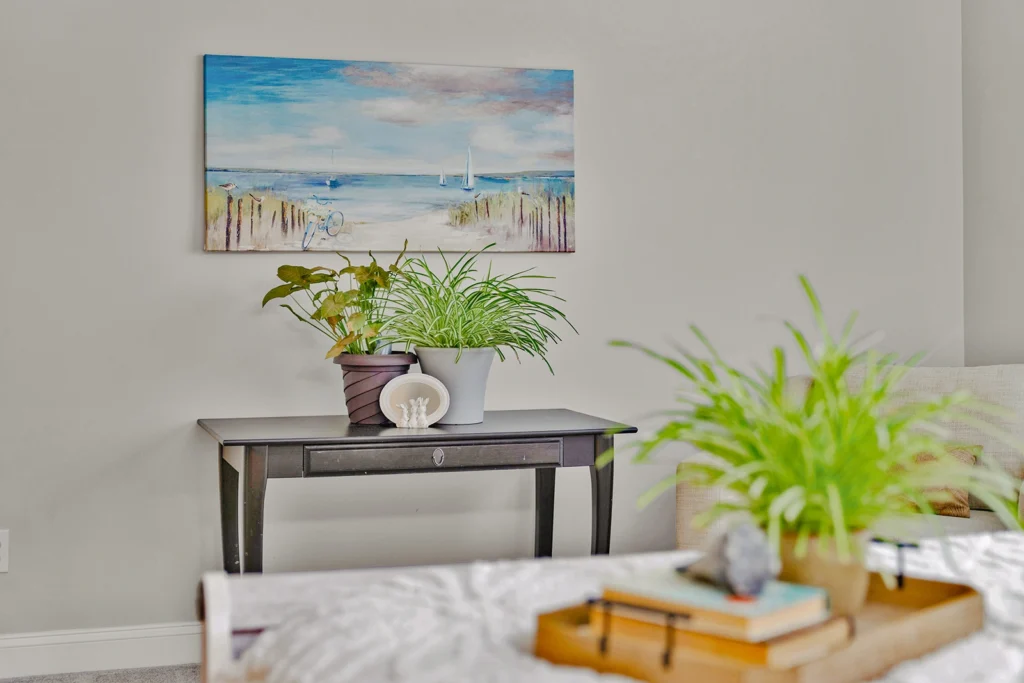
- Clear counters entirely except for one or two simple, neutral items (a bowl of fruit, a small plant) – appliances, dish racks, and paper towel rolls should come off the counter.
- Remove magnets, calendars, and papers from the refrigerator door.
- Close cabinet and drawer doors, and check that nothing is visible through open shelving that shouldn’t be.
- Run a cloth over stainless steel appliances and countertops right before the shoot – fingerprints and water spots show up clearly in wide-angle, well-lit photos.
Bedrooms
- Make beds with simple, wrinkle-free bedding – patterned or busy comforters can look cluttered in photos even when the room isn’t.
- Clear nightstands down to one or two items.
- Close closet doors unless staging calls for a deliberately organized “reveal” shot.
- Remove personal photos and items that make it harder for a buyer to picture themselves in the space.
Bathrooms
- Clear counters of toiletries, toothbrushes, and personal care items.
- Close toilet lids.
- Hang matching, neatly folded towels rather than everyday bath towels.
- Remove bath mats that are worn or mismatched with the room.
Exterior and Curb Appeal
- Move vehicles, trash cans, hoses, and yard equipment out of the frame – these are some of the most common items left in exterior shots by mistake.
- Mow the lawn, edge walkways, and clear leaves or debris within a day or two of the shoot, since Wilmington’s humidity and rainfall can undo yard work quickly.
- Sweep porches, decks, and driveways.
- Check that exterior lighting fixtures are working if a twilight or evening shot is planned.
- For waterfront or dock properties common around the Wilmington area, make sure boats, kayaks, or gear are either staged intentionally or moved out of frame – an empty, tidy dock often photographs better than one cluttered with equipment.
Local Considerations for Wilmington Properties
A few things come up often enough in the Wilmington market that they’re worth planning around.
Humidity and lighting. Coastal humidity can affect window clarity and create haze in exterior shots, particularly in summer. Morning shoots, before the day heats up, often produce clearer skies and softer light than midday sessions.
Historic and downtown properties. Homes in and around downtown Wilmington’s historic districts often have architectural details – original moldings, transom windows, wrought iron – that are worth highlighting rather than covering up with modern staging. Pointing these features out ahead of time helps a photographer plan shots that emphasize them.
Seasonal timing. Hurricane season (June through November) can affect scheduling flexibility, since shoots may need to be moved around storm systems. Building in a buffer day or two when scheduling during these months can prevent last-minute rescheduling stress.
New construction and renovation dust. Properties that have recently been renovated or newly built often still have construction dust on surfaces and windows that isn’t obvious in person but shows up clearly in photos. A final wipe-down of windows, counters, and floors right before the shoot makes a noticeable difference.
Common Mistakes That Undercut Good Photos
Even with a skilled photographer, a few recurring issues can limit how good the final images look:
- Scheduling the shoot before the property is fully staged. Rescheduling costs time on the market; it’s worth confirming the home is truly ready before locking in a date.
- Leaving blinds partially closed. Half-open blinds create uneven light bars across a room that are difficult to correct afterward.
- Overlooking exterior clutter. Sellers often focus prep time indoors and forget that the exterior – especially the front entry – is typically the first photo a buyer sees.
- Too much furniture in small rooms. Removing a piece or two of furniture from a tight bedroom or office often makes the space photograph larger, not smaller.
- Ignoring odors and pets during the shoot. While this doesn’t affect the photos directly, a calm, prepared environment tends to result in a smoother, faster session.

DIY Smartphone Photos vs. Professional Photography
It’s common for sellers or agents to consider smartphone photos, especially for lower price-point listings. Smartphone cameras have improved significantly, but a few structural differences remain: professional real estate photography typically uses wide-angle lenses calibrated to minimize distortion, multiple lighting exposures blended together (often called HDR) to balance bright windows with darker interiors, and consistent color correction across every image in a listing set.
For higher-value listings, competitive markets, or commercial properties where first impressions carry more weight, professional photography is generally the safer investment – the cost is typically small relative to the property’s list price, and the impact on buyer engagement is well documented across the industry.
When to Consider Additional Media
Beyond standard photo sets, many listings – particularly in competitive Wilmington neighborhoods or on properties with strong outdoor features like waterfront access – benefit from additional media such as aerial/drone photography for lot size and surrounding context, twilight photography for exterior shots at dusk, or a walkthrough video or virtual tour for out-of-town buyers. Whether these make sense depends on the property type, price point, and marketing plan, and it’s worth discussing options directly with whoever is handling the shoot.
Conclusion
Photo quality has a direct, measurable effect on how quickly a Wilmington listing generates interest – but the photographer can only work with what’s in front of the camera. A property that’s decluttered, well-lit, and thoughtfully staged, with exterior details handled and local factors like humidity and seasonal timing accounted for, gives any photo shoot the best chance of producing images that make a listing stand out.
For agents and homeowners ready to schedule a professional shoot for a residential or commercial property in the Wilmington area, Luma 3 Productions can be reached at (703) 282-6857.
FAQs
How far in advance should I schedule a real estate photo shoot in Wilmington?
Most agents schedule photography three to five days before a listing goes live, which leaves time for editing and for any reshoots if weather or staging issues come up. During hurricane season, building in extra buffer days is a good idea in case of rescheduling.
Do I need to be home during the photo shoot?
It’s not required, but many photographers appreciate having the homeowner or listing agent available briefly at the start to answer questions about which features to highlight, such as recent renovations or unique architectural details.
What’s the best time of day for exterior photos?
This depends on which direction the home faces, but many photographers aim for mid-morning or late afternoon light, which tends to be softer and more even than midday sun. Twilight shots, taken shortly after sunset with interior lights on, are a separate service some properties benefit from.
Should I remove all personal items before the shoot?
Not entirely – a few tasteful, neutral decor items can make a space feel warm rather than sterile. The goal is removing anything highly personal (family photos, personal collections) or anything that reads as clutter, not stripping the home down to an empty shell.
Are MLS photo requirements different from marketing photo requirements?
MLS photos generally need to meet minimum resolution and formatting standards and accurately represent the property. Marketing photos used on social media or a brokerage website often have more creative flexibility, but both should come from the same well-prepared shoot.

